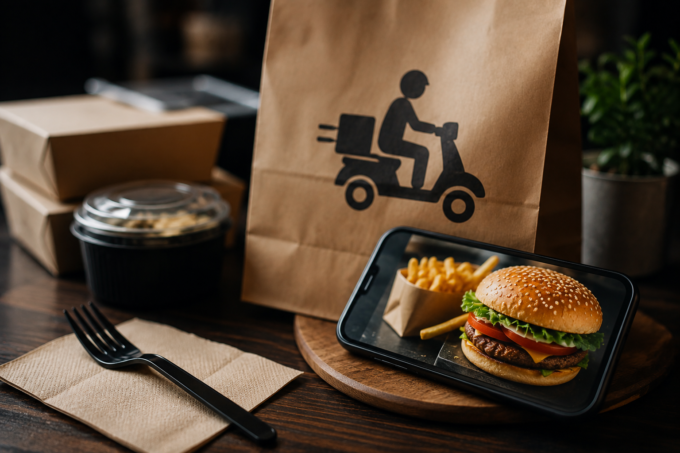


There was a time when ordering food meant calling the nearest restaurant or stepping out to buy it yourself. Today, things are very different. In India’s metro cities, almost everything is available at your fingertips. Whether it’s a late-night burger, a grocery item you forgot to buy, or a cup of coffee during office hours, all it takes is a few taps on your smartphone. In many cases, your order reaches your doorstep within 10 minutes. Even when it doesn’t, waiting an hour has become the new normal. Convenience has never been this accessible.
But behind this convenience lies a cost that many consumers are paying without fully realizing it.
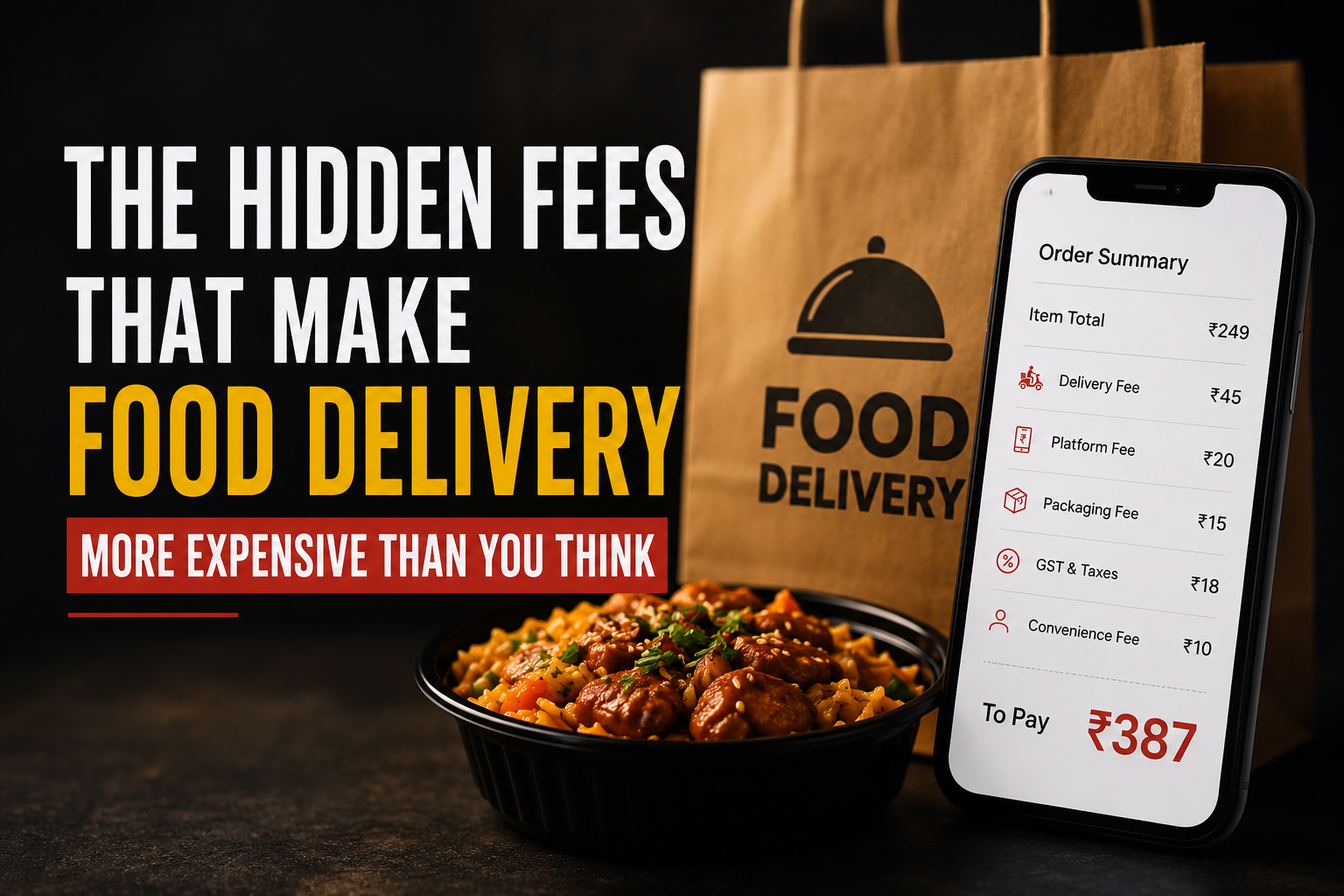
Every day, millions of people open a food delivery app expecting to pay roughly what they see on the menu. A meal priced at ₹249 seems affordable enough—until the final checkout screen tells a different story. Suddenly, the bill has climbed to ₹350 or even ₹400. The food hasn’t changed. The quantity hasn’t changed. Yet the amount you pay certainly has.
The question is simple: where did the extra money go?
To be fair, nobody expects delivery to be free forever. If someone is travelling several kilometres to bring food right to your doorstep, it is only reasonable that the service comes at a price. Delivery partners deserve to be paid for their time and effort, and technology platforms need revenue to keep their operations running.
That isn’t where most customers have a problem.
The growing concern is the number of additional charges that quietly appear during checkout. Platform fees, packaging charges, convenience fees, handling charges and dynamic delivery pricing often appear one after another, increasing the final bill long after the customer has decided to place the order. Individually, these amounts may look insignificant. Together, they can add a surprising premium to even a modest meal.
What makes these charges frustrating is not always the amount itself, but the lack of transparency.
The price that catches a customer’s attention on the home screen is rarely the price they end up paying. By the time every fee has been added, the original discount often feels far less attractive than it first appeared.
For many consumers, this has become an accepted part of online ordering. Few stop to question why a meal from a nearby restaurant costs noticeably more online than it does at the counter. Fewer still realise that higher menu prices, platform commissions, taxes and service fees are all contributing to the final amount.
Food delivery has undoubtedly transformed the way India eats. It has saved time, created jobs and made everyday life easier. But as digital convenience becomes a habit, consumers are also beginning to ask an important question: Are we paying only for the food or are we paying for a pricing system that has quietly become more expensive than most of us realise?