

Europe is once again confronting growing pressure over migration, as a fresh surge in arrivals along key Mediterranean and North African routes has reignited debate over border security, asylum policies and responsibility-sharing among European Union member states.
The latest developments have placed migration back at the centre of the bloc’s political agenda, exposing long-standing divisions over how Europe should respond to irregular migration while upholding humanitarian obligations.
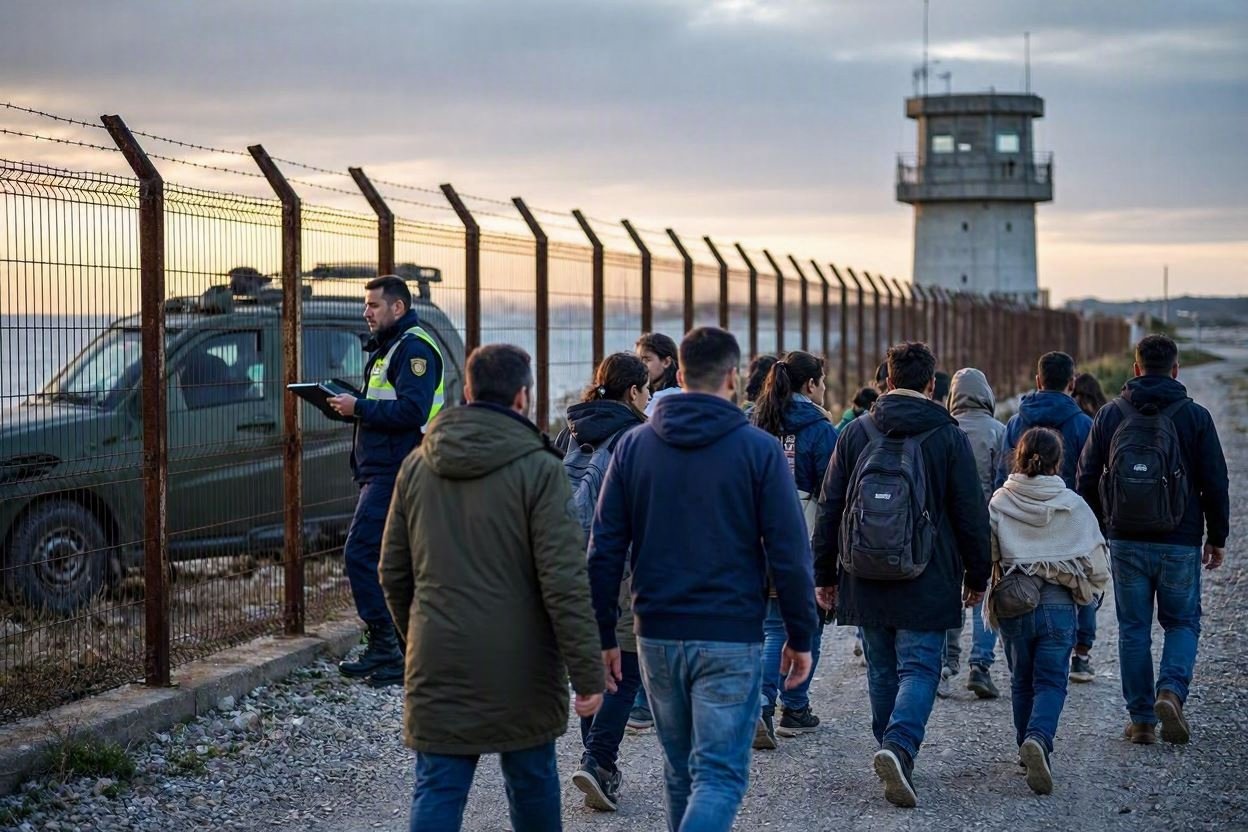
The renewed focus follows increased migrant crossings into Ceuta, Spain’s autonomous enclave on the North African coast, prompting authorities to strengthen border surveillance and accelerate efforts to manage arrivals.
The incident has also revived calls from several EU governments for stricter external border controls and faster procedures for processing asylum applications, arguing that existing mechanisms are under growing strain.
At the same time, humanitarian organisations have urged European governments to ensure that border enforcement measures remain consistent with international refugee law. Rights groups argue that while countries have the responsibility to protect their borders, asylum seekers and vulnerable migrants must continue to receive access to protection and due process under international conventions.
Migration has remained one of the European Union’s most politically sensitive issues for more than a decade, shaping elections, influencing domestic politics and testing cooperation among member states.While
While some governments favour tighter immigration controls, others continue to advocate a collective European approach based on burden-sharing and humanitarian responsibility.
As EU policymakers prepare for fresh discussions on migration and border management, the latest developments underline the continuing challenge of balancing national security, legal obligations and humanitarian concerns. With migration expected to remain a defining issue across Europe, the outcome of upcoming policy debates could influence the bloc’s approach for years to come.