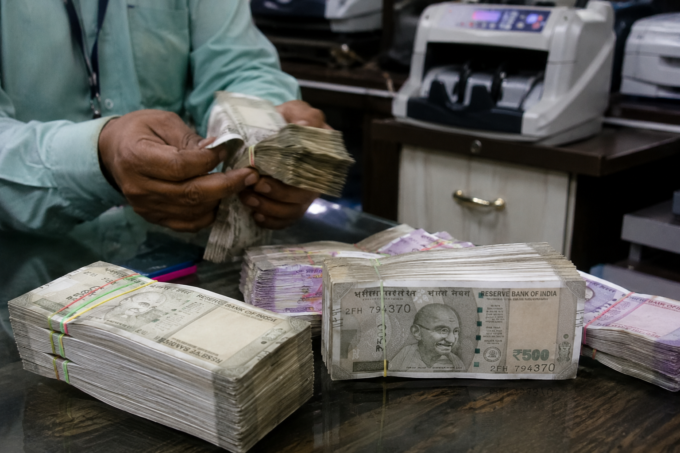


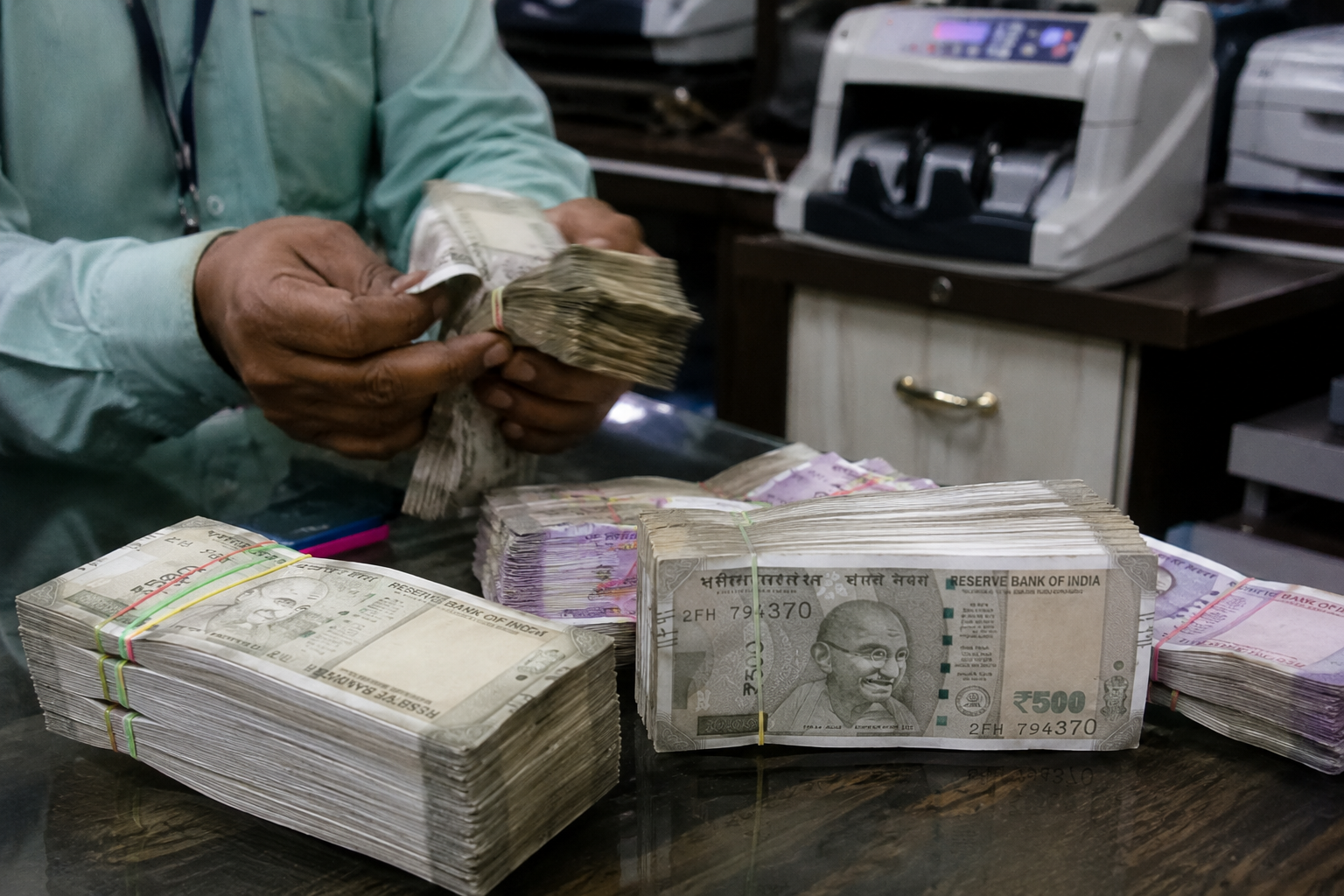
India’s foreign exchange reserves have crossed the $700 billion mark again, giving the country a stronger financial cushion at a time when global markets remain unsettled.
The Reserve Bank of India said on Friday that the reserves rose by $14.1 billion in the week ending August 7, reaching $707.002 billion. It was the biggest weekly increase since January and a notable recovery after reserves came under pressure earlier this year.
Foreign currency assets, which make up the largest part of India’s reserves, increased by nearly $9.95 billion to $574.625 billion. The country’s gold reserves also rose by about $4 billion to $108.74 billion.
The latest numbers come after a period in which India’s external position faced pressure from geopolitical tensions, currency movements and higher import costs. Reserves had reached a record $728.494 billion in February, before declining in the months that followed.
Recent foreign-currency inflows have helped rebuild the buffer. The RBI has introduced measures to attract overseas deposits and funding, while foreign investors have also increased their participation in Indian government securities. More than $40 billion flowed through currency-swap measures between June 8 and July 31, according to Reuters.
The central bank has now decided to close its special foreign-exchange swap facility for FCNR(B) deposits a month earlier than originally planned. The facility will end on August 31 after banks attracted more than $52 billion through the scheme.
For the RBI, a large reserve cushion is more than a headline figure. It gives the central bank greater room to respond when the rupee comes under pressure, global investors pull money from emerging markets or the cost of imports rises sharply.
For ordinary Indians, the connection may not be immediately obvious. But when global shocks push up oil prices or put pressure on the rupee, the strength of the country’s reserves can influence how much room policymakers have to manage those pressures.
The latest figure remains below February’s record, but crossing $700 billion again is nevertheless a significant recovery.
At a time when geopolitical tensions, energy prices and global capital flows remain unpredictable, India’s challenge will be to preserve that buffer while keeping the economy resilient to the next external shock.