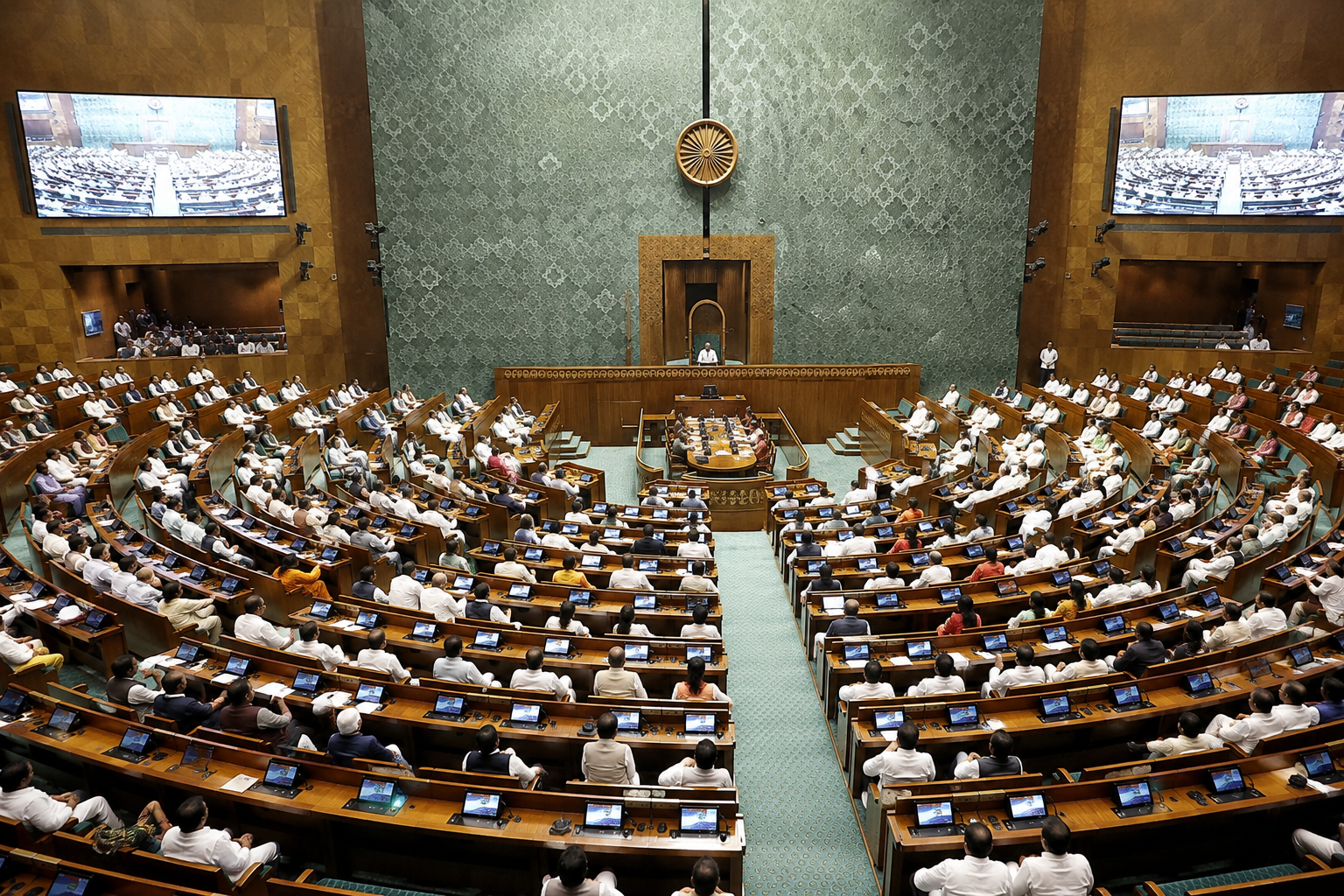
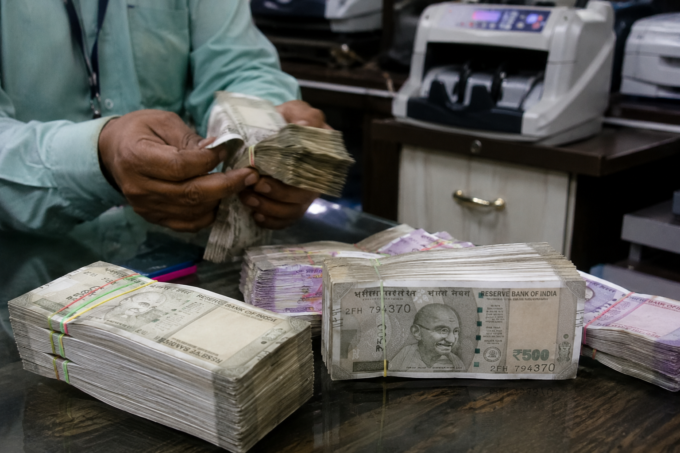
India has moved to overhaul the legal framework governing its micro, small and medium enterprises after Parliament passed the Micro, Small and Medium Enterprises Development (Amendment) Bill, 2026. The Lok Sabha cleared the legislation on August 7, following its passage in the Rajya Sabha on August 3. The amendments are aimed at easing compliance, improving access to timely payments and making it easier for small businesses to resolve commercial disputes.
The legislation comes as the MSME sector has expanded rapidly in recent years. Government data cited in the Bill’s implementation details says registrations on the Udyam portal have risen from about 1.65 crore in April 2023 to 9.16 crore, while the sector provides employment to more than 40 crore people. The changes therefore affect a part of the economy that extends well beyond small workshops and local businesses, covering a large and increasingly formalised business ecosystem.
One of the most significant changes concerns how MSMEs are classified. The amended framework uses both investment in plant, machinery or equipment and turnover as criteria, with thresholds to be specified by the central government. Registration will also remain voluntary, with the Udyam portal providing a digital platform for MSME registration.
Delayed payments, a long-standing concern for smaller enterprises, are another major focus. Under the new provisions, Central Public Sector Enterprises must route invoice settlements for MSME purchases through TReDS, an RBI-regulated electronic platform that allows businesses to obtain financing against receivables. The government says this is intended to improve cash flow and reduce the pressure caused by unpaid invoices. TReDS invoice discounting reportedly rose from ₹40,000 crore in 2022-23 to ₹3.47 lakh crore in 2025-26.
The Bill also introduces clearer timelines for resolving payment disputes. Mediation must be completed within 90 days, followed by arbitration within 30 days if mediation fails. An arbitral award is then expected within 90 days of completion of pleadings. Courts will also be required to order payment of at least 50% of the awarded amount to an MSME supplier when a challenge to an award has remained pending for more than six months.
Another notable change is the move towards decriminalisation of certain offences, replacing conviction-based penalties with graded civil penalties and warnings for initial violations. The government says the approach is intended to create a more trust-based regulatory environment and improve ease of doing business.
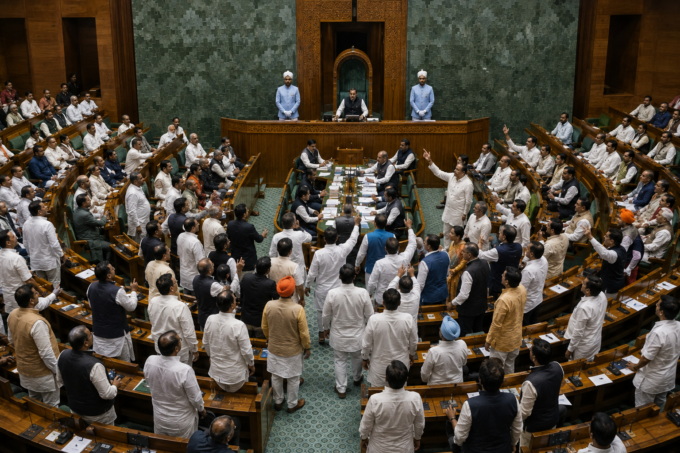
The legislation was passed amid continued Opposition protests in Parliament, with proceedings disrupted over other political issues. That context is significant: while the Bill represents a substantial policy change for India’s small-business sector, its passage also comes during a session in which repeated disruptions have limited parliamentary debate.
For millions of enterprises, the real test will now be implementation. Faster dispute resolution and improved payment systems could ease one of the most persistent pressures on small businesses, but their impact will ultimately depend on how effectively the new mechanisms work on the ground.


BriefNation
 boduDesk2 Mins read13
Parliament Clears MSME Amendment Bill as Government Pushes New Framework for Small Businesses
boduDesk2 Mins read13
Share



Related Articles
boduDeskAugust 14, 2026
boduDeskAugust 13, 2026
boduDeskAugust 13, 2026
boduDeskAugust 12, 2026
India’s Forex Reserves Cross $700 Billion as Strong Inflows Rebuild Buffer
India’s foreign exchange reserves have crossed the $700 billion mark again, giving...
boduDeskAugust 14, 2026
Jharkhand Student Protest Enters 20th Day as Recruitment Exam Row Deepens
The protest by government-job aspirants in Jharkhand entered its 20th day on...
boduDeskAugust 13, 2026
Lok Sabha Productivity Falls to 19% as Monsoon Session Ends Amid Protests
Parliament’s Monsoon Session ended on Thursday with repeated disruptions leaving the Lok...
boduDeskAugust 13, 2026

Colombia Earthquake Death Toll Reaches 132 as Rescue Teams Search Collapsed Buildings
Colombia has declared a national disaster after a magnitude 7.4 earthquake struck...
boduDeskAugust 12, 2026