

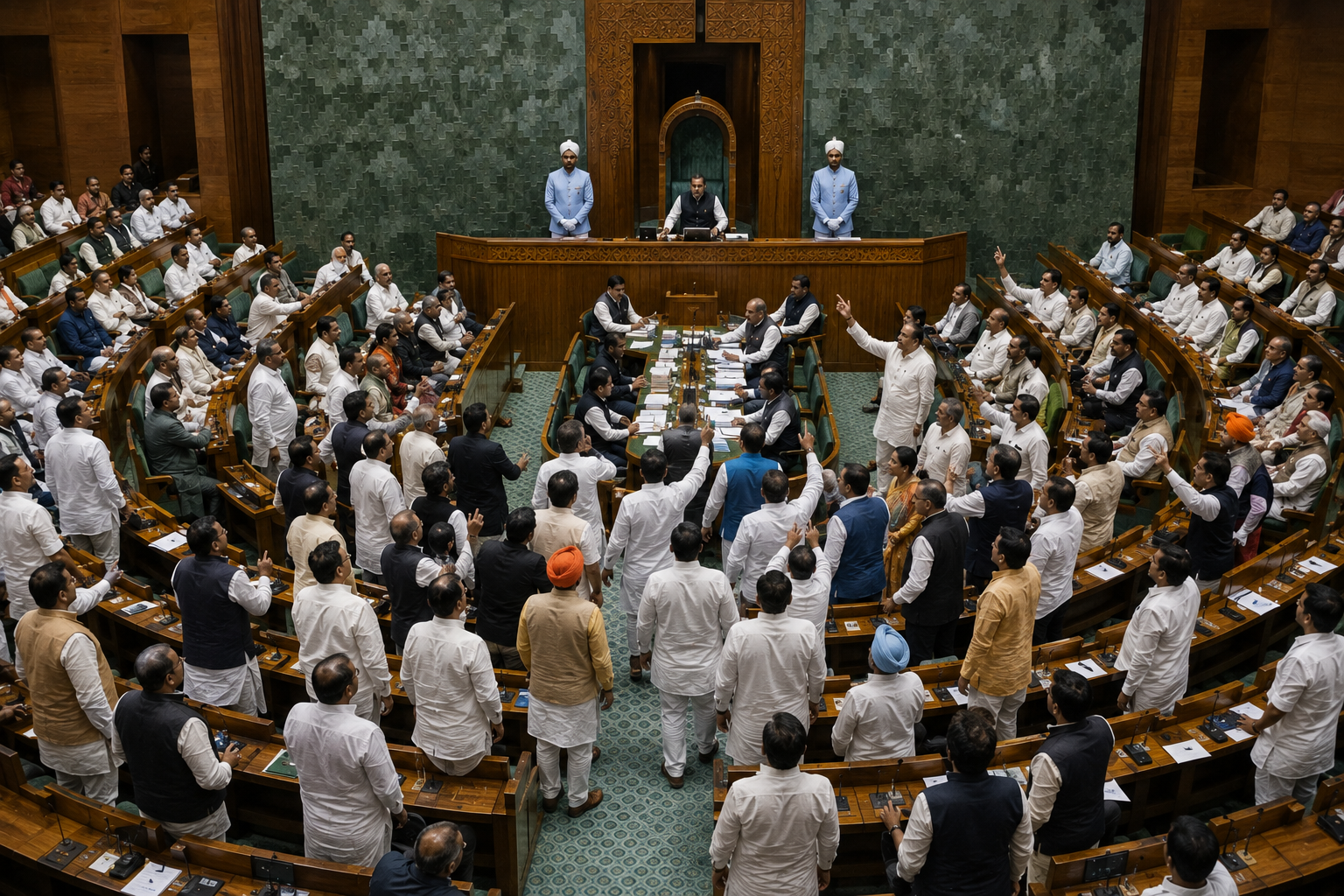
Parliament’s Monsoon Session ended on Thursday with repeated disruptions leaving the Lok Sabha with just 19 per cent productivity, as the government and Opposition remained divided over the issues that had dominated proceedings for much of the session.
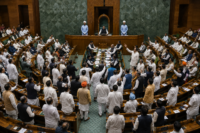
The three-week session concluded with both Houses being adjourned sine die amid protests. Parliamentary Affairs Minister Kiren Rijiju said the Lok Sabha recorded 19 per cent productivity, while the Rajya Sabha functioned at 39 per cent. He also said 12 Bills were passed during the session, although only one was discussed in both Houses.
The government has blamed repeated Opposition disruptions for the low productivity. Rijiju accused the Congress and other Opposition parties of preventing Parliament from carrying out its scheduled business and argued that disagreements should be raised through debate rather than by repeatedly stopping proceedings.
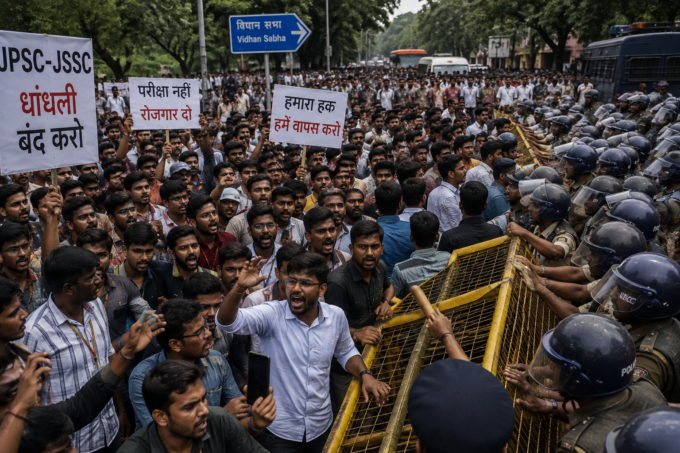
The Opposition has offered a different account. Congress leaders said the disruptions reflected the government’s unwillingness to address issues they considered important, including questions surrounding the police action against protesting students and demands for accountability from Home Minister Amit Shah. Congress leader Jairam Ramesh said the session had demonstrated Opposition unity and accused the government of avoiding difficult questions.
The confrontation meant that several days were dominated by slogans, protests and adjournments rather than sustained debate. At the same time, the government managed to move legislation through Parliament, with 12 Bills reported as passed during the session.
The final figures put the session among the least productive in recent years, although it was not Parliament’s lowest-performing session. The Indian Express noted that the Lok Sabha’s productivity was higher than during some earlier periods marked by prolonged disruptions.
For Parliament, however, the numbers tell only part of the story. The larger concern is what repeated disruption means for the institution’s central role: allowing the government to legislate while giving the Opposition a meaningful opportunity to question, scrutinise and challenge those decisions.
With the session now over, the political arguments that paralysed it are unlikely to disappear with the adjournment. Both sides will return to the next session carrying their own account of who was responsible for the lost time.