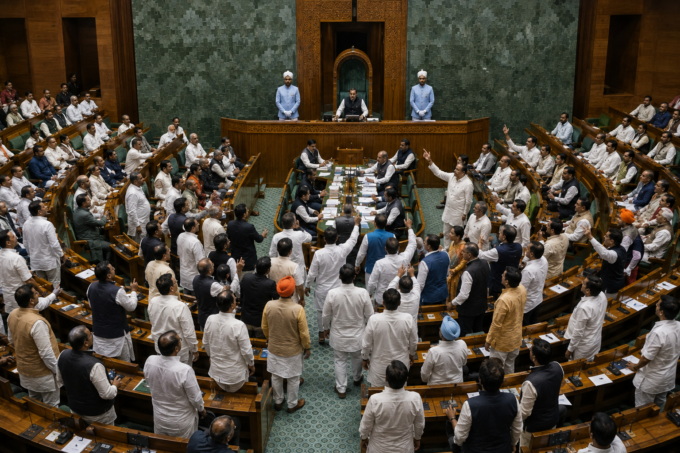


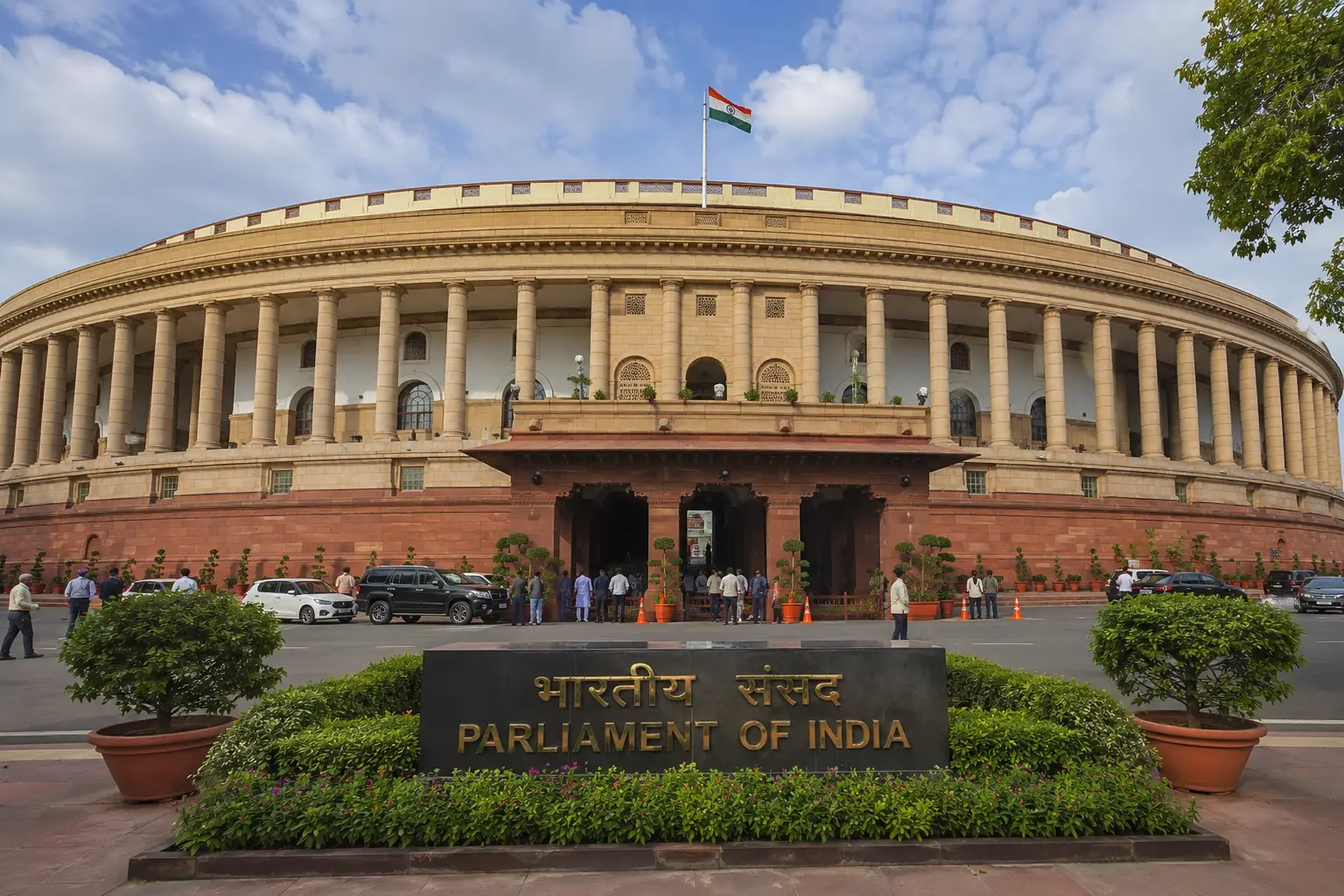
The government on Monday introduced the Public Examinations (Prevention of Unfair Means) Amendment Bill, 2026, proposing tougher penalties to curb paper leaks and organised exam fraud.
The Bill seeks higher jail terms and fines, faster investigations, Special Task Forces and fast-track courts to strengthen the integrity of public examinations.
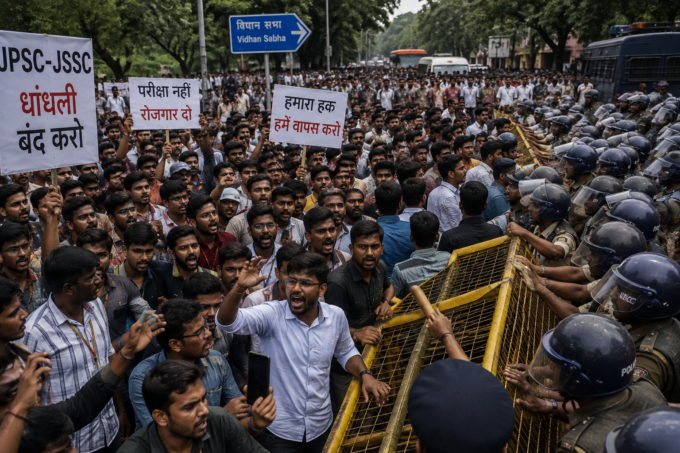
The move comes after widespread outrage over alleged paper leaks, especially in competitive exams such as NEET, which triggered protests by students across the country.
In his recent address on education reforms, Prime Minister Narendra Modi said honest students should never suffer because of corruption or failures in the examination system, stressing the need to restore trust in public exams.
However, tougher laws alone may not end the crisis. Most paper leak cases involve organised networks, insiders and security lapses in the examination process.
Unless exam authorities improve digital security, question paper handling and overall administration, stricter punishments may have only a limited impact.
For millions of students, the real issue is confidence that every examination is fair. The success of the new Bill will depend not only on harsher penalties but also on how effectively the reforms are implemented.