

The Shiromani Akali Dal has backed the Centre’s push for delimitation and called for the immediate implementation of women’s reservation in Parliament, a notable change from the party’s earlier opposition to the exercise.
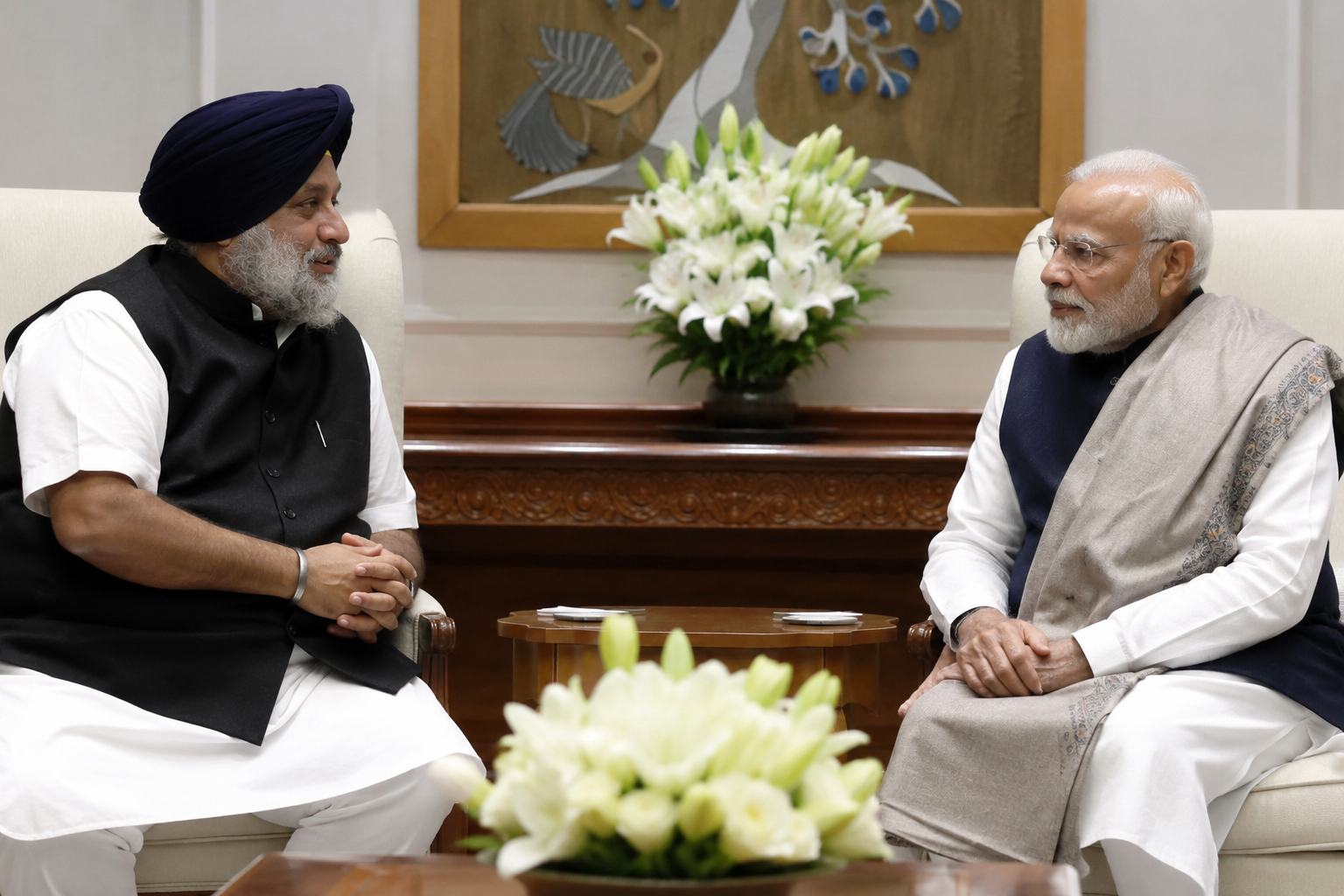
The shift came a day after SAD president Sukhbir Singh Badal met Prime Minister Narendra Modi. The timing has given the development added political significance, particularly in Punjab, where the SAD and the Bharatiya Janata Party have been trying to define their relationship since their alliance ended in 2020.
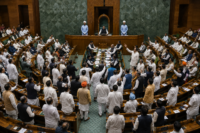
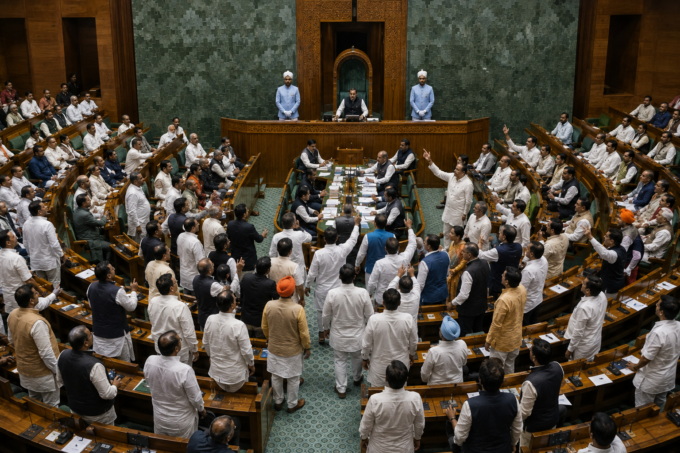
SAD said Parliament should move ahead with both delimitation and women’s reservation. The party has also supported increasing the strength of the Lok Sabha by 50 per cent, while insisting that the interests of individual states must be protected during the process.
That position is different from the one the party had taken earlier this year.
SAD had opposed a population-based delimitation exercise, arguing that states such as Punjab could be disadvantaged because they had made greater progress in controlling population growth. The concern is not unique to Punjab. Several southern states have also raised questions about whether using population as the principal basis for redrawing constituencies could alter their representation in Parliament.
The issue has become more important because delimitation is closely linked to the implementation of the Women’s Reservation Act. The law provides for 33 per cent reservation for women in the Lok Sabha and state assemblies, but its implementation is tied to the completion of a delimitation exercise.
For the SAD, however, the immediate political question is likely to be just as important as the constitutional one.
Badal’s meeting with Modi has revived speculation about whether the two parties could eventually work together again. The SAD left the BJP-led National Democratic Alliance in 2020 over the now-repealed farm laws. Neither party has announced a return to the alliance, and there is no confirmation that the latest meeting was about an electoral arrangement.
But the sequence of events is difficult to overlook: a meeting between the two leaders, followed almost immediately by a change in the SAD’s position on a politically sensitive national issue.
Punjab is due to hold its next Assembly election in 2027, giving any movement between the two parties potential significance. The SAD remains an important regional political force, while the BJP has been attempting to expand its independent presence in the state.
For now, the delimitation question remains larger than any possible alliance. The central challenge will be finding a formula that expands parliamentary representation while addressing concerns from states that fear losing political weight because of demographic differences.
SAD’s latest position puts the party on the side of moving the process forward. Whether that marks a lasting change in its political strategy or simply a position on one national issue will become clearer in the months ahead.