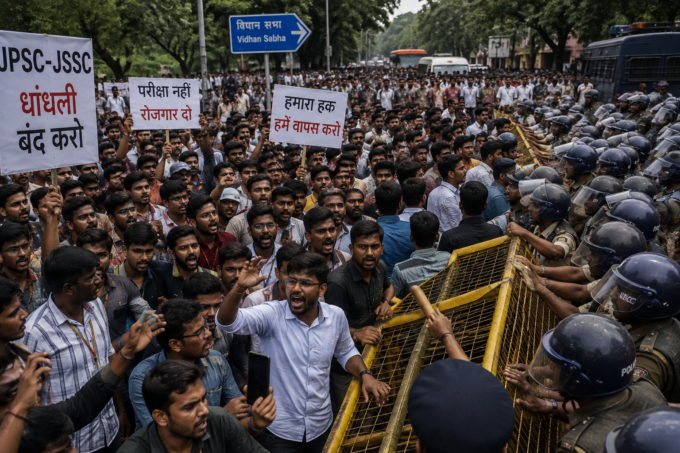


At a time when millions of students are questioning the credibility of India’s examination system, the government needed more than a new education minister. It needed someone who could restore public trust.
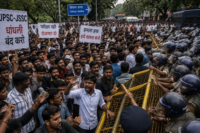
After weeks of public outrage over alleged irregularities in national entrance examinations and the resignation of Dharmendra Pradhan, Prime Minister Narendra Modi faced a choice that was bigger than filling a Cabinet vacancy. The challenge was to restore confidence in a ministry whose credibility had come under unprecedented scrutiny.
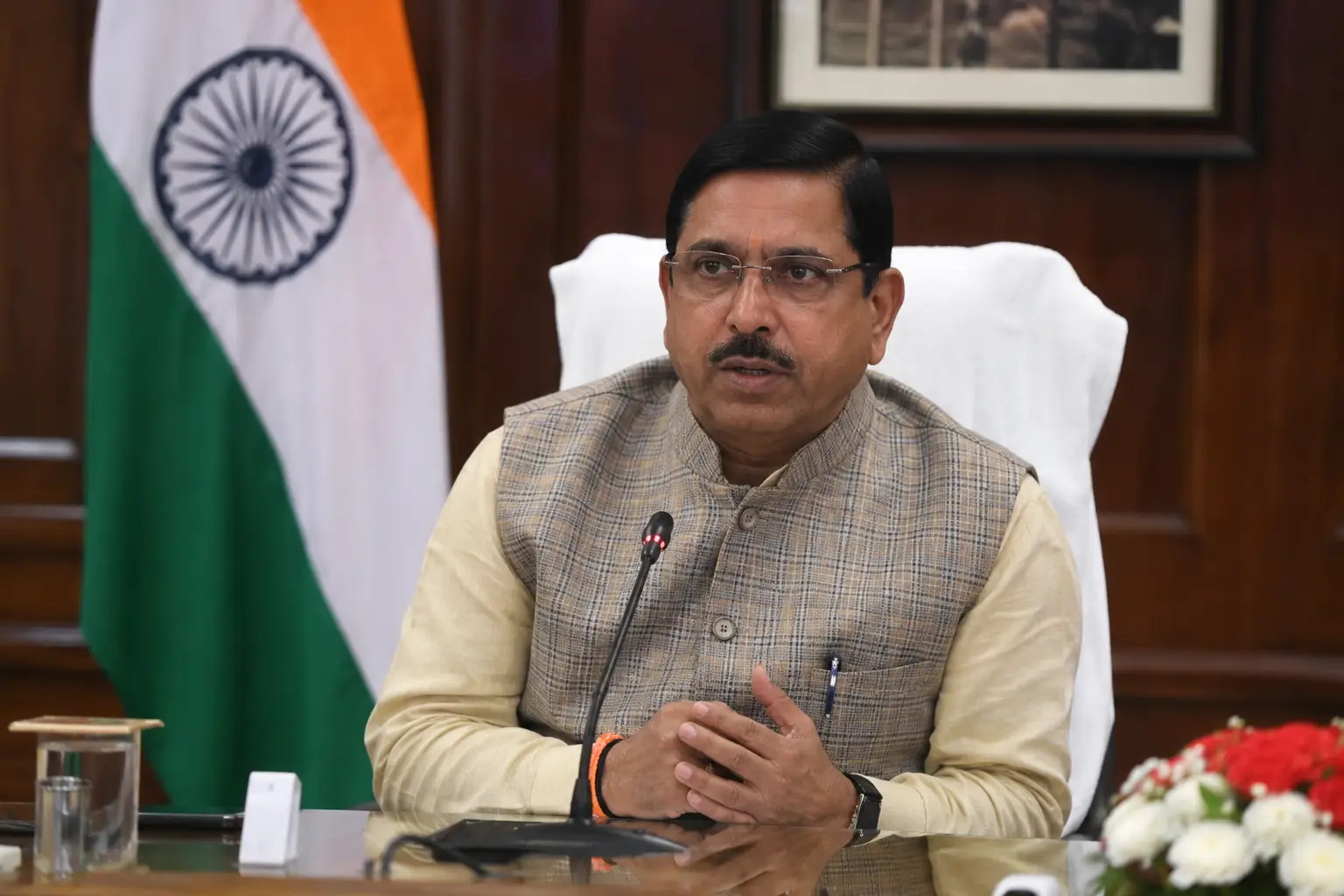
Instead of picking an academic or a first-time minister, the Prime Minister handed the responsibility to Prahlad Joshi a veteran BJP leader who has spent more than two decades in Parliament and built a reputation for quietly handling politically sensitive assignments.
The decision suggests the government’s immediate priority is governance and execution rather than announcing a new education vision.
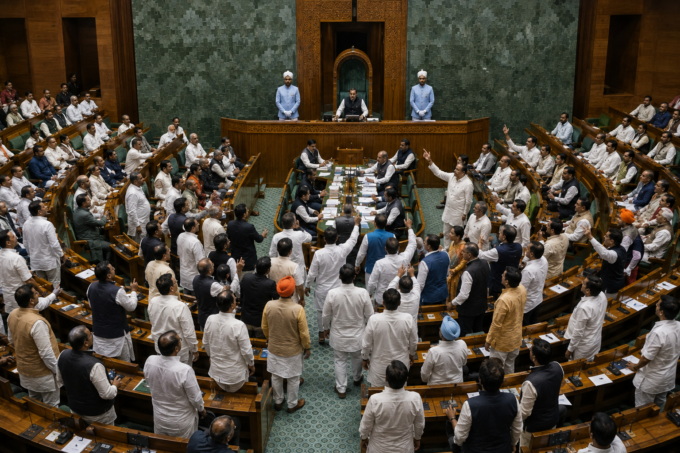
Joshi’s political journey explains why. A five-time Lok Sabha MP from Karnataka, he has managed heavyweight ministries including Parliamentary Affairs, Coal, Mines, Consumer Affairs and Renewable Energy. Within the BJP, he is regarded as an experienced organiser who is often trusted with difficult administrative responsibilities rather than headline-grabbing politics.
There were other possible options. Ministers already associated with the Education Ministry, such as Ministers of State, could have provided continuity.
The government could also have waited for a wider Cabinet reshuffle and appointed a fresh face. Instead, it chose someone with proven administrative experience, signalling that stabilising the ministry is the immediate objective rather than experimenting with new leadership.
When Joshi assumed charge, he acknowledged that education was a new subject for him and said his first priority would be to understand the ministry before taking decisions. The remark reflected the scale of the task ahead: rebuilding trust in an examination system that millions of students depend on every year.
The appointment also comes alongside the government’s push for technology-led reforms, including a task force headed by Nandan Nilekani to strengthen examination security. Together, the two decisions point to a broader strategy placing an experienced political administrator in charge while relying on technology experts to redesign the system.