

A new wave of reusable rocket technology is reshaping the global space industry, with aerospace companies and space agencies developing launch systems that could significantly reduce the cost of sending satellites into orbit.
The shift is expected to make space more accessible for commercial operators, governments and research institutions while accelerating the deployment of communication, navigation and Earth observation satellites.
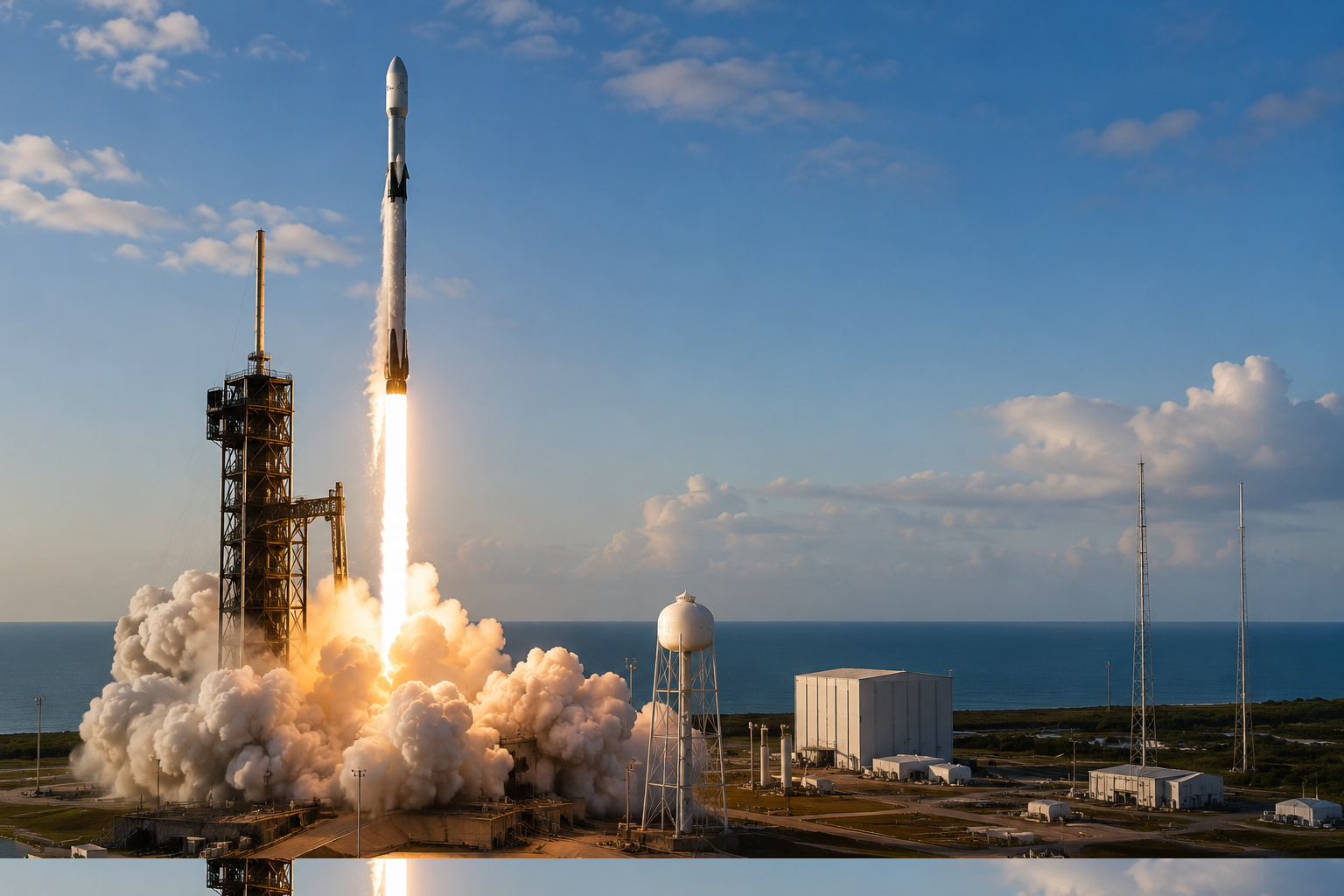
The biggest driver of this transformation is reusable launch technology pioneered by companies such as SpaceX, whose Falcon 9 rocket can return its first-stage booster to Earth for refurbishment and reuse. The company is also advancing Starship, a fully reusable launch system being developed at its Starbase facility in Texas.
Industry analysts believe full reusability could eventually reduce launch costs from thousands of dollars per kilogram to only a few hundred dollars, dramatically lowering the cost of access to space.
Other companies are also investing in next-generation launch vehicles. Washington-based Stoke Space is developing the fully reusable Nova rocket, while Rocket Lab is expanding its reusable launch capabilities through its Electron and upcoming Neutron rockets. These companies aim to increase launch frequency, shorten turnaround times and make satellite deployment more affordable for commercial customers.
The technology goes beyond reusable rockets. Aerospace manufacturers are increasingly using lightweight composite materials, advanced methane-fuelled engines, automated production lines and 3D-printed rocket components to improve efficiency and reduce manufacturing costs.
Together, these innovations are expected to support the rapidly growing market for small satellite constellations used in broadband internet, weather forecasting, climate monitoring and disaster management.
A recent study published in PNAS Nexus found that the average cost of launching one kilogram of payload into orbit has fallen by about 96% since 1960, largely due to technological improvements and the rise of commercial spaceflight. Researchers estimate launch costs could continue declining over the next decade as reusable systems become more common across the industry.
While technical, regulatory and environmental challenges remain, experts believe cheaper launch services will encourage more countries, startups and universities to participate in space missions.
Lower costs could also support new industries ranging from precision agriculture and environmental monitoring to next-generation telecommunications, marking a significant step toward a more accessible and commercially driven space economy.