

Most people dream of seeing the Grand Canyon at least once in their lifetime. But what if you could stand on the edge of towering cliffs, watch a river carve through ancient rock, and witness a breathtaking sunrise without ever leaving India?
Welcome to Gandikota, a quiet village in Andhra Pradesh where nature has spent millions of years creating one of the country’s most spectacular landscapes.
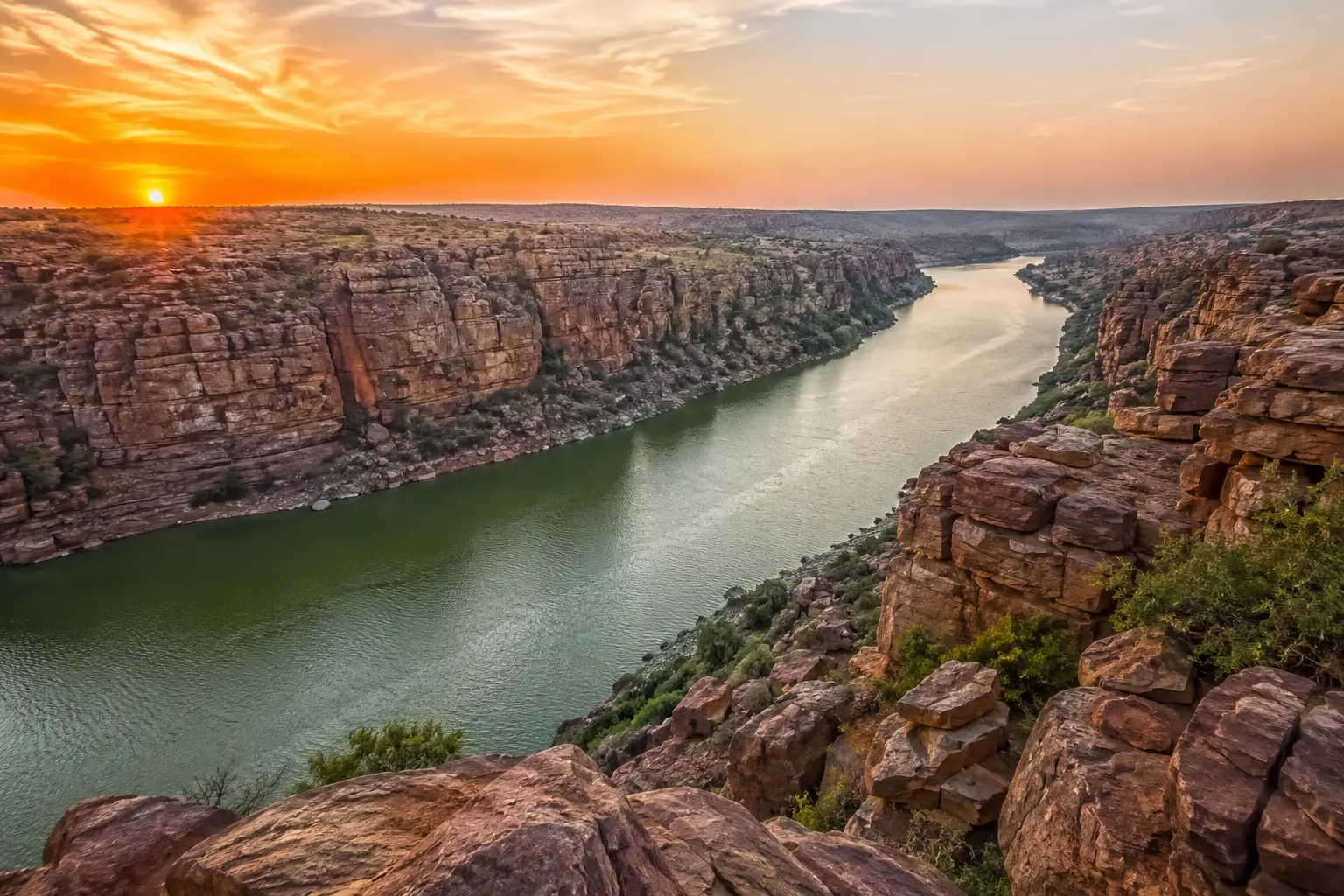
The journey to Gandikota begins on ordinary roads lined with small villages, fields, and rocky terrain. At first, nothing prepares you for what comes next. As you walk towards the edge of the fort, the landscape suddenly opens up. Before you stretches a vast canyon, its reddish-brown cliffs dropping dramatically into the Pennar River below.
For a few moments, words simply don’t come. The wind whistles through the valley while eagles circle high above. There are no crowded viewpoints, no loud music, and no rush. Just the sound of nature and an endless horizon that makes everything else feel small.
The best time to experience Gandikota is either at sunrise or just before sunset. As the golden light touches the canyon walls, the rocks begin to glow in shades of orange and crimson. Photographs are beautiful, but they never capture the feeling of standing there with the cool breeze on your face.
The canyon isn’t the only attraction. The centuries-old Gandikota Fort still stands proudly nearby, with ancient stone walls, temples, a mosque, and quiet pathways that tell stories of kingdoms that once ruled this region. Walking through the fort feels like stepping into another era, where every weathered stone has witnessed generations of history.
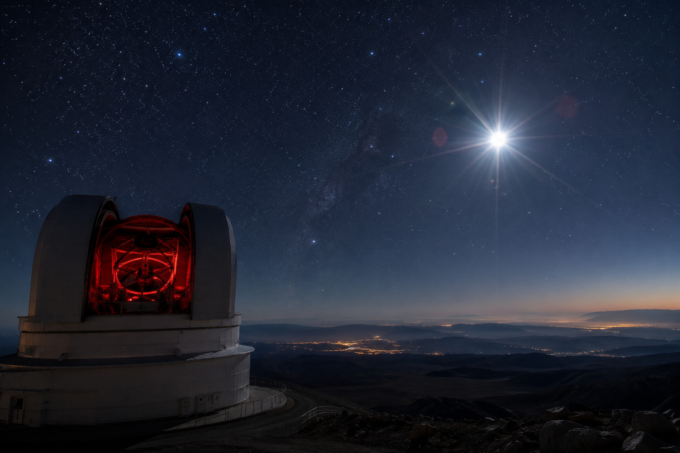
Adventure lovers often choose to camp near the canyon. As darkness falls, the sky transforms into a blanket of stars, untouched by city lights. Sitting around a campfire while the cool night air drifts through the valley is an experience that stays with you long after the trip ends.
Despite its incredible beauty, Gandikota remains surprisingly peaceful. Unlike many popular tourist destinations, you can still find quiet corners where it’s just you, the cliffs, and the river flowing far below.
The ideal time to visit is between October and February, when the weather is pleasant for exploring the fort, hiking around the canyon, and enjoying sunrise or sunset views.
Carry comfortable shoes, water, and a camera but remember to spend a few minutes simply looking, because some memories deserve more than a photograph.
Some places impress you with famous landmarks. Others stay with you because of how they make you feel. Gandikota belongs to the second kind. It reminds you that India’s greatest wonders aren’t always the busiest ones. Sometimes, they’re waiting quietly beyond the next turn in the road, ready to leave you speechless.
And getting there is easier than you might expect the nearest airport is Kadapa, while Jammalamadugu Railway Station is just a short drive away. Well-connected roads from Bengaluru, Hyderabad, and Chennai make the journey just as rewarding as the destination itself. If you visit between October and February, you’ll witness Gandikota at its most beautiful, with pleasant weather, golden sunsets, and star-filled nights that are worth staying for.